The Mid-Block: Compact Defending Without Parking the Bus
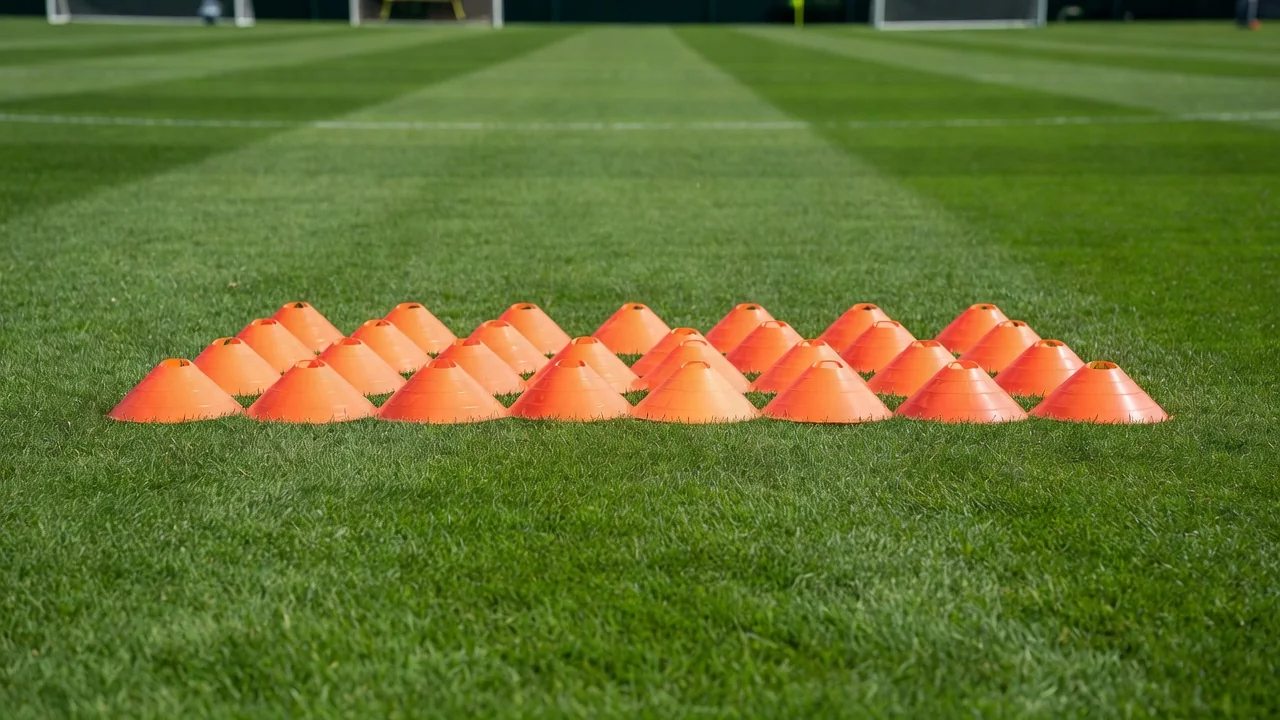
Somewhere between the high press and the parked bus lives the defensive shape most top teams actually use: the middle-third block. It concedes the opponent's centre-backs the ball, defends the middle third in two compact lines, and waits for the mistake that turns defence into counter-attack. Unspectacular on television, it is the shape that wins knockout ties.
This shape is often confused with simply defending deep. The difference is intent. A low block defends its own penalty area and accepts siege; it defends the centre of the pitch, keeps the opponent in front, and chooses the moment to step out and steal.
The line of engagement
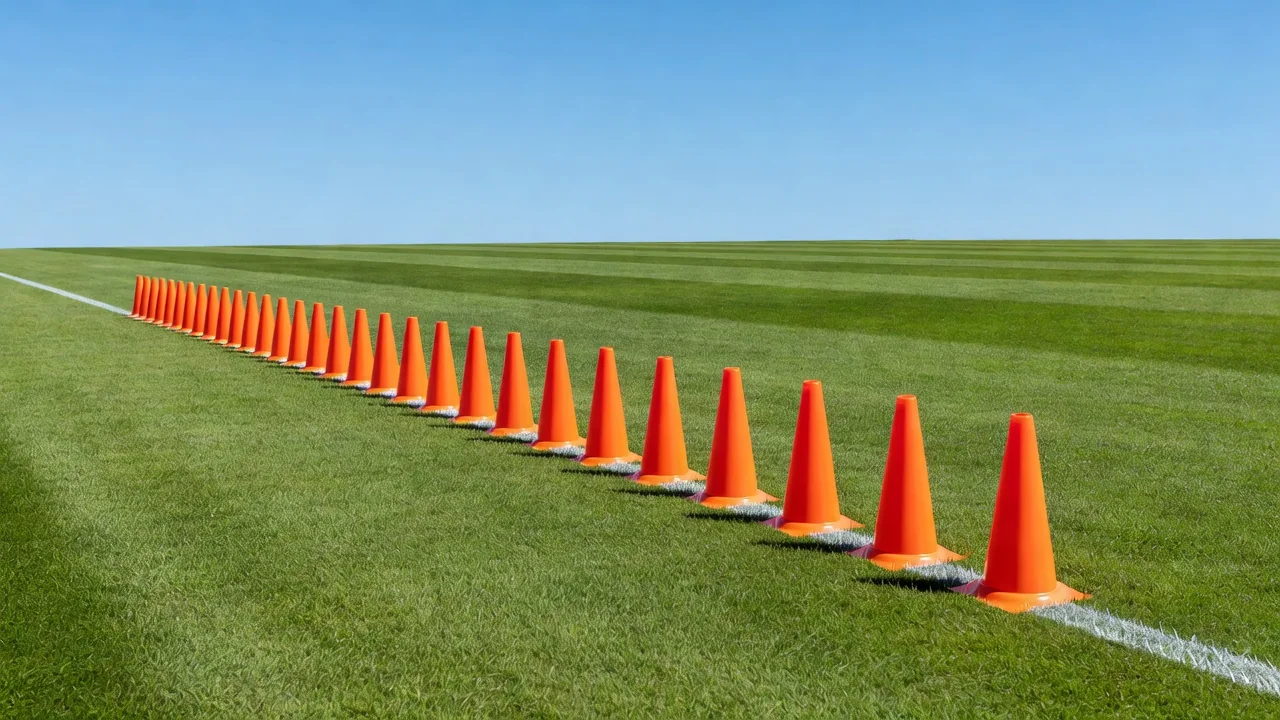
Every such block is built around a coached coordinate: the line of engagement, the height at which the team starts defending in earnest. Above that line the strikers shadow and screen without committing; below it, the two banks tighten to ten or fifteen metres apart, passing lanes close, and the opponent's possession becomes sterile by design.
Setting that line is the coach's real decision. Too high and a single ball over the top exposes the defence; too low and the team spends the match clearing crosses. Atlético Madrid under Diego Simeone are the masters of the calibration: their 4-4-2 lets opponents have the ball in harmless zones, then swallows any pass played into midfield, with Antoine Griezmann and the forwards ready to spring the instant the ball is won.
What the mid-block demands
The shape looks passive and requires furious concentration. Its non-negotiables are drilled weekly.
- Compactness between the lines. The distance from the first striker to the last defender stays short enough that one pass cannot split two units.
- Screening the pivot. Forwards arc their pressing runs to hide the opponent's holding midfielder, forcing play wide where the trap waits.
- Wide traps. The full-back, winger and nearest midfielder triple-team the flank receiver, using the touchline as the fourth defender.
- Disciplined stepping. One player jumps to the ball while the block shuffles behind him; two players jumping at once opens the gap the block exists to deny.
- Instant transition. The first pass after the regain goes forward into the runners, because the block's whole economy depends on punishing the stretched opponent.
Simeone, and the art of winning without the ball
Atlético's La Liga titles in 2014 and 2021, and the Champions League finals of 2014 and 2016, were built on these principles, though Simeone's teams slide into a low block when protecting leads. The other great document is José Mourinho's Inter against Barcelona in the 2010 semi-final, a masterclass in conceding territory while conceding almost no chances. More recently, Unai Emery's Aston Villa and several national teams at major tournaments have used the same geometry to outscore opponents who dominated the ball.
This shape's advantage over the low block is psychological as much as tactical. Because the team engages in the middle third, it stays connected to the counter-attack; strikers in this shape start their runs forty metres from goal, not seventy, which is the difference between a breakaway and a hopeful punt.
How opponents try to break it
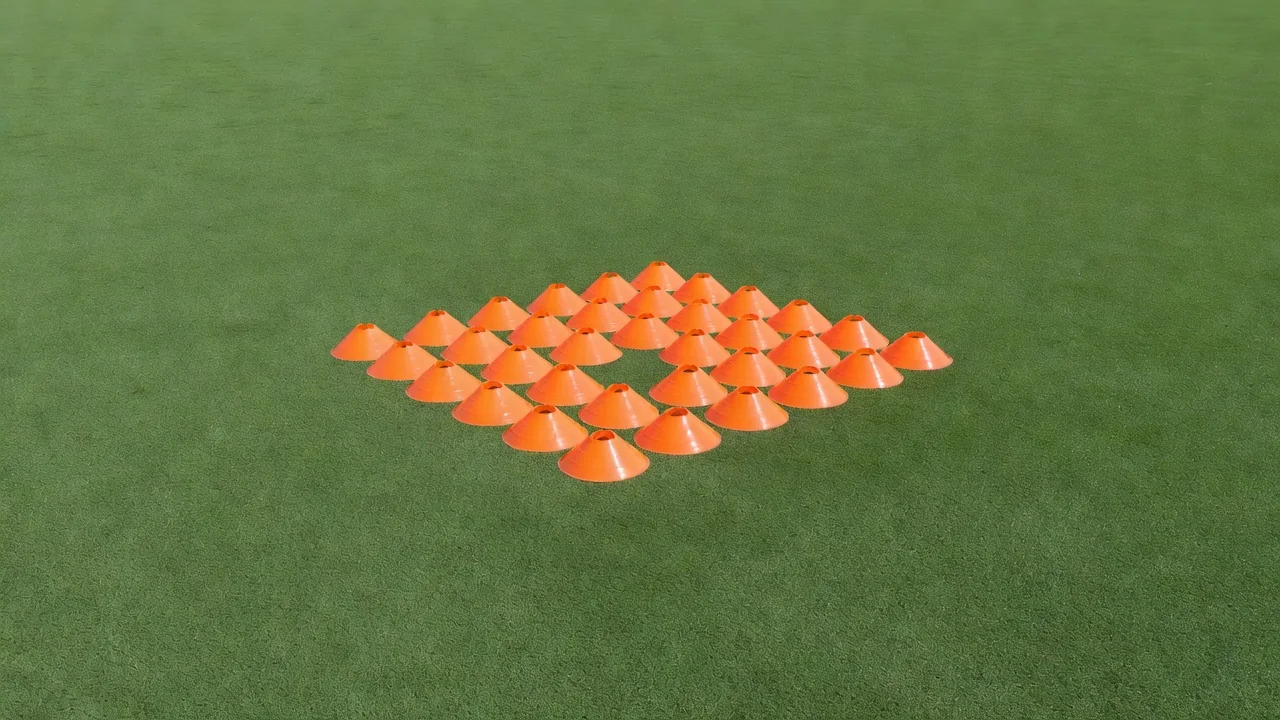
Possession teams answer the block with patience and provocation: slow circulation to pull the block apart, third-man runs between the lines, and full-backs overlapping to manufacture two-against-ones on the flanks. The mid-block's worst enemy is the early goal conceded, which forces it to become a different team than the one it trained to be.
| Shape | Engagement height | What it trades |
|---|---|---|
| High press | Opponent's third | Energy and the space behind |
| Mid-block | Middle third | Territory, kept in front |
| Low block | Own third | The counter-attack's range |
Tournament football has become the shape's natural habitat. At World Cups and European Championships, where preparation time is short and fear of elimination is high, coaches overwhelmingly choose middle-third engagement over the high press: it is easier to install in a three-week camp and harder to dismantle with one tactical surprise. The pattern is visible every summer, and it flatters the club game too, where the shape's blend of patience and threat survives fixture congestion better than any ninety-minute sprint.
This way of defending will never be fashionable, because its best minutes look like nothing happening. Coaches know better: nothing happening, on purpose, is a result.
Related articles
Pressing Traps: How Coaches Bait Opponents Into Errors
Pressing traps invite the pass a coach wants you to play. Inside the bait, the squeeze and the steal — and the managers who design football's ambushes.
2026-08-25
Build-Up Play: How Coaches Beat the High Press
Build-up play is a coached answer to pressure. From the goalkeeper's pass to the third-man run, how the best teams play through a high press on purpose.
2026-07-10
The Sweeper-Keeper: Goalkeepers in the Build-Up Era
The sweeper-keeper turned goalkeepers into playmakers. From Neuer's rushing to Ederson's passing range, how coaches use the eleventh outfield player.
2026-07-08