
Rest Defence: The Invisible Structure Behind Attacks
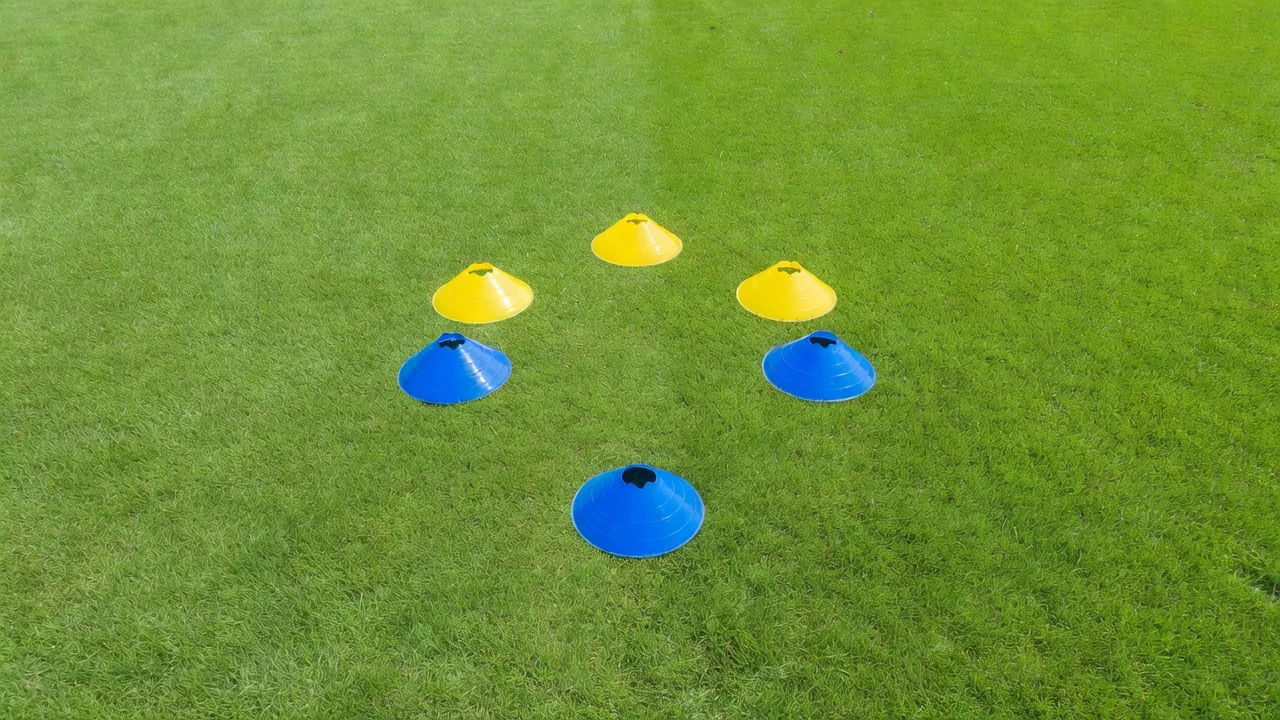
Watch a top team attack and count the players who are not attacking. Behind the eight who flood forward, two or three stay home, staggered across the halfway line, doing nothing visible. That invisible structure is rest defence, the insurance policy that lets modern teams commit numbers forward without donating counter-attacks. Coaches talk about it constantly; highlights never show it.
The term comes from the German Restverteidigung, the defence that remains while the rest attack. It answers football's oldest bargain: every player who joins the attack is one fewer to stop the break. That is how elite coaches decide, deliberately, where the risk sits.
The architecture: 3-2, 2-3 and the stagger
The classic modern shape is the 3-2: three defenders across the back, two midfielders in front of them, while the full-backs and forwards attack. Arsenal under Mikel Arteta build attacks on exactly this base. The alternative 2-3, used by Pep Guardiola's Manchester City for long spells, pushes one more midfielder into the holding line and keeps two centre-backs. Both share the same logic: enough bodies to outnumber the opponent's first counter-attacking wave, and enough depth to survive a ball over the top.
The detail that separates good this structure from a flat back line is the stagger. Players do not stand in a straight row; they sit on different lines, so one can press the ball carrier while another covers the space behind. Rodri is the era's master of this, forever five metres from the danger, rarely in the duel himself.
Why it matters more than ever
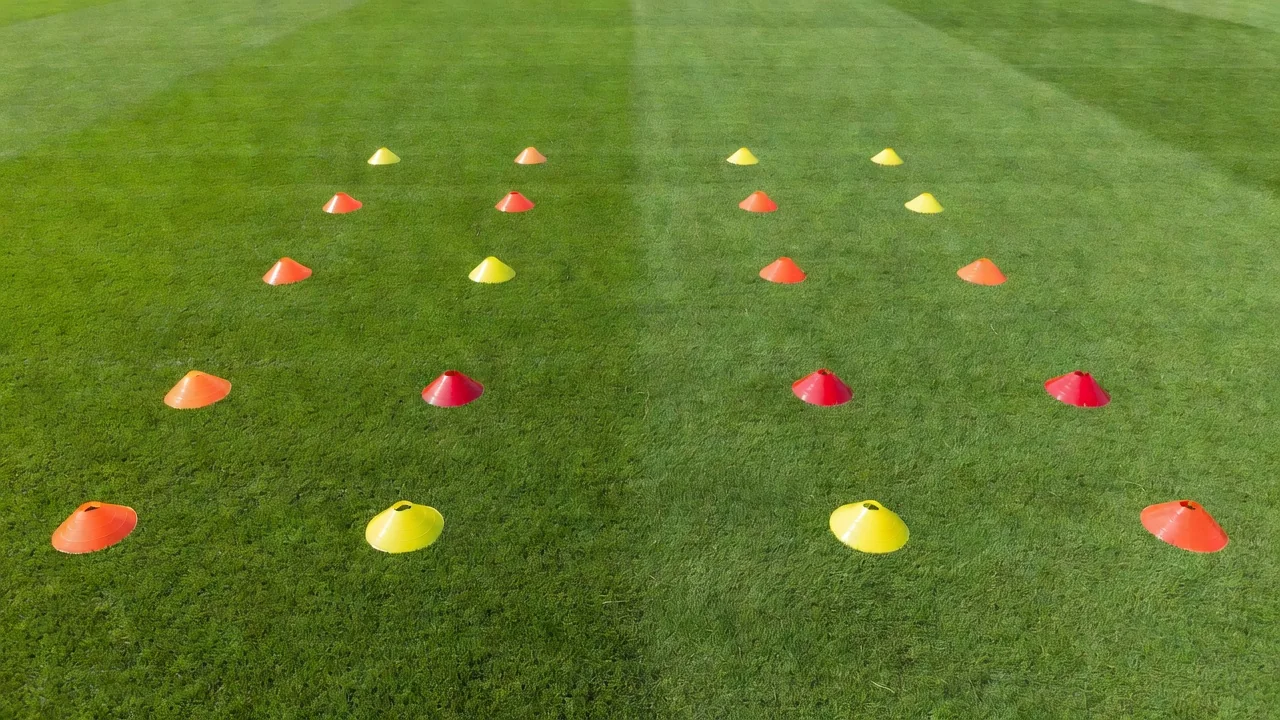
Two trends made rest defence a coaching obsession. The first is the rise of transition teams: opponents like Real Madrid in Europe or any well-drilled underdog now build their entire attacking plan around the six seconds after a regain. The second is the aggressive positioning of full-backs, who in the modern game attack like wingers. Somebody has to hold the fort, and the rest defence is that somebody, organised.
What a well-built rest defence provides:
- Numerical security. At least a two-against-one against the first runner of the counter, almost always.
- Counter-pressing support. Its players sit close enough to join the swarm when the ball is lost nearby, turning defence back into attack within seconds.
- Psychological licence. Wingers and full-backs attack fully only when they trust the structure behind them; the structure is what makes bravery rational.
- Game-state control. Leading teams can thin it to keep pressure on; chasing teams can thicken it to avoid the sucker punch.
Famous examples, and when it fails
Manchester City's 2022-23 treble side supplied the textbook: John Stones stepping beside Rodri to form the 2-3, with Rúben Dias and Nathan Aké behind, a structure that conceded almost nothing on the break across the spring run-in. Klopp's Liverpool offered the mirror image: with both full-backs high, Fabinho and the centre-backs formed the island, and Virgil van Dijk's one-against-one defending was the final guarantee.
When the cover fails, it fails expensively. A single bad touch in the first build-up line can leave the two or three cover players facing a three-against-two with the whole pitch behind them, which is why coaches recruit cover players on security first: recovery pace, positional discipline, and the humility to spend ninety minutes watching others attack.
How to spot it on television
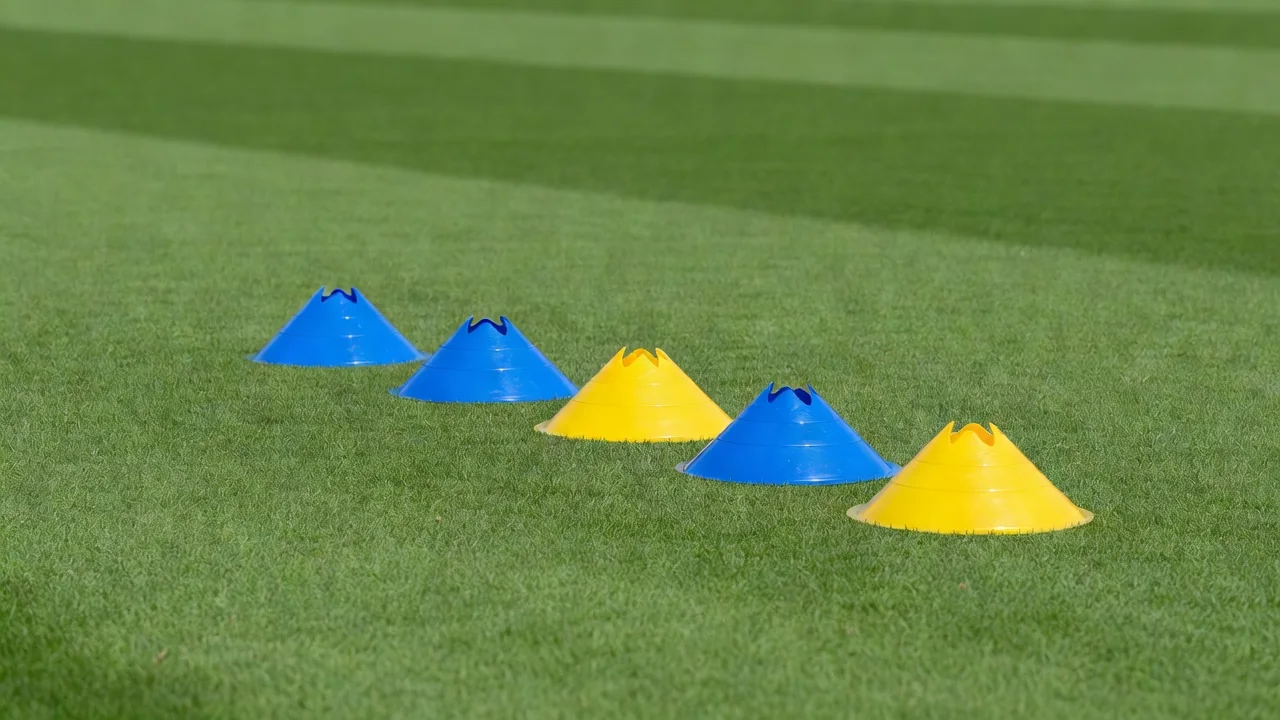
The viewer's trick is to stop watching the ball when a team attacks and watch the halfway line instead. Count the cover players, note their distances, and you will see the team's whole risk policy drawn in bodies. A coach's confidence, fear and planning are all visible there, in the players doing nothing.
| Shape | Typical users | Trade-off accepted |
|---|---|---|
| 3-2 | Arteta's Arsenal | One less midfielder between the lines |
| 2-3 | Guardiola's City, Klopp's Liverpool | Two centre-backs isolated against speed |
| 2-2 with full-back tuck | De Zerbi's Brighton | Flank exposed when the inverted defender steps in |
Analytics departments have started measuring what was once invisible. Tracking data can now quantify cover shadow effectiveness, the distance between rest-defence lines, and the seconds a team survives after its own possession breaks down. The findings confirm the coaches' instinct: title winners consistently keep more players behind the ball during attacks than their reputations suggest. The highlight shows the goal; the model shows the five men who made it safe to score, and recruitment increasingly pays for the second picture.
This insurance will never trend on social media. It wins leagues precisely because nobody notices it until it is missing.
Related articles

Inverted Full-Backs: Why Coaches Love the Inside Route
Inverted full-backs moved wide defenders into midfield and changed build-up forever. The idea's roots, its modern masters and the risks coaches accept.
2026-07-03
The False Nine: From Hidegkuti to Modern Revivals
The false nine confused defenders from Hidegkuti's Hungary to Guardiola's Barcelona. Why coaches drop the striker, what it creates, and why it keeps returning.
2026-06-19
Positional Play: A Coach's Guide to Juego de Posición
Juego de posición is the grammar of possession football. A coach's guide to positional play: the lanes, the triangles, the third man and the rules behind it.
2026-06-12