
Zonal vs Man Marking: Set-Piece Defence Debated
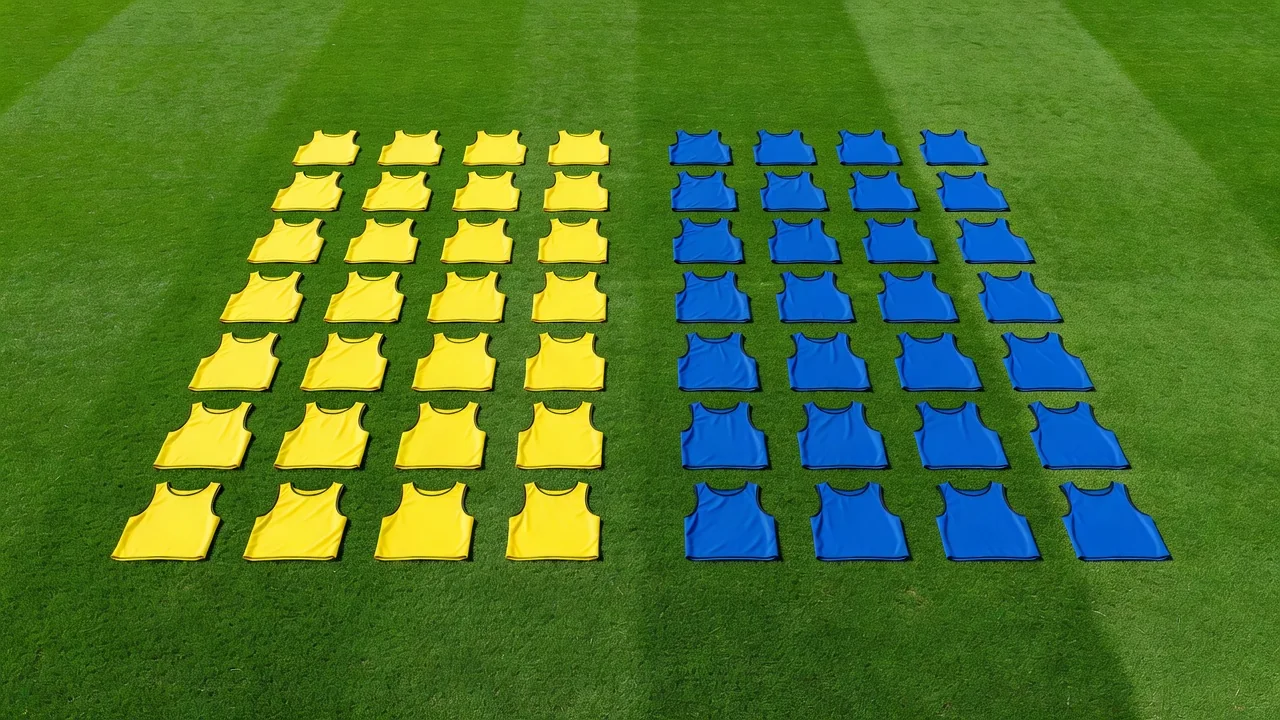
Every corner conceded reignites football's longest-running technical argument: zonal marking or man-to-man? Pundits treat it as theology; coaching staffs treat it as engineering, and increasingly answer it with a third option, the hybrid. The debate matters because set pieces decide titles, and the marking scheme is the coach's most visible defensive choice.
The two systems start from different units of responsibility. Man marking assigns each defender an opponent to follow wherever he runs. Zonal schemes assign each defender a space to attack, winning the ball when it enters his zone. Every conceded corner produces the same post-mortem: a man-marker lost his man, or a zonal defender watched the ball fly through his zone untouched.
Man marking: clarity and its costs
Man-to-man's appeal is accountability. Each defender knows exactly who is his, movement is tracked across the box, and the post-match review has a name attached to every mistake. Its weaknesses are just as clear. Attackers run blockers and screens that drag markers into each other; a single lost duel produces a free header; and the defence's shape is dictated by the attackers' movements, so the goalkeeper's space fills with bodies.
Coaches who persist with pure man marking usually do so because their squad wins its individual duels. Tall, aggressive defenders who relish contact can suffocate routines at the source, and teams without such personnel tend to concede the argument before the ball is kicked.
Zonal schemes: structure and sceptics
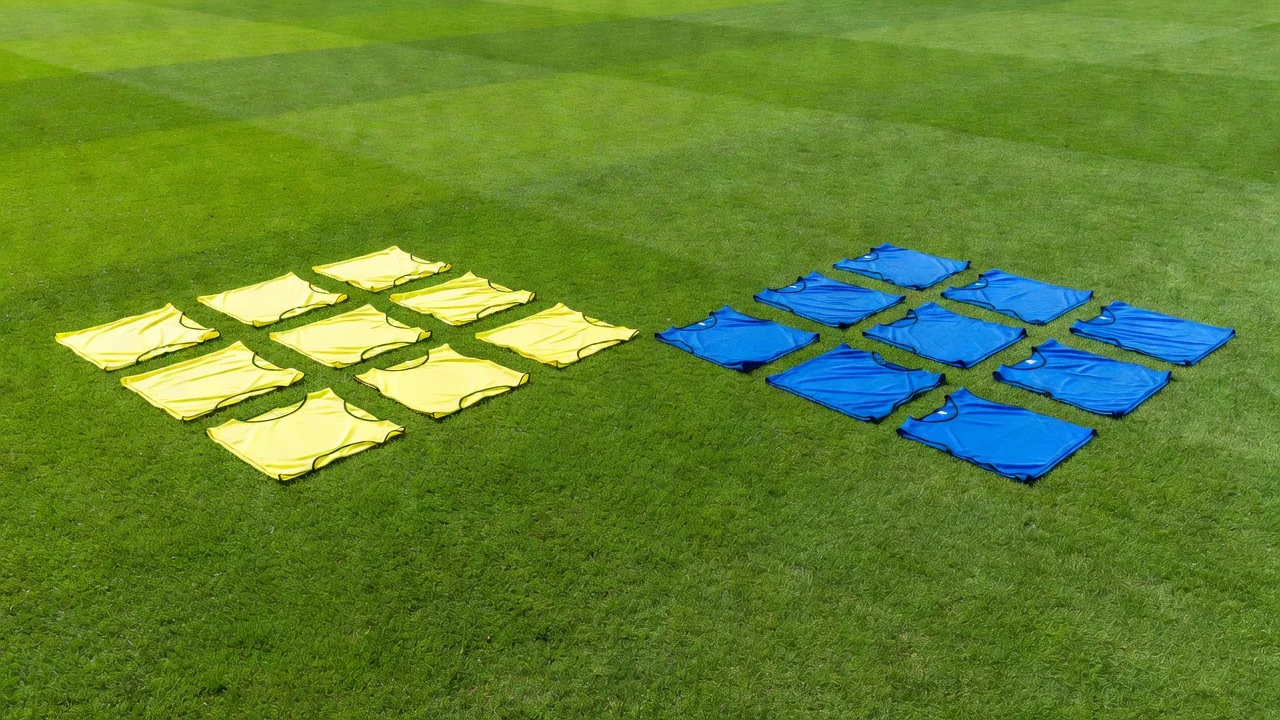
The zonal promise is structural calm. The defence holds its positions, attacks the ball at its highest point with a running start, and is immune to screens because no defender is following a runner across the box. Analytics departments generally favour it: their data shows zonal schemes concede fewer first contacts when executed with conviction.
Its failure mode is passivity. A zonal defender standing still attacks the ball later than a running attacker, and every televised concession produces the same freeze-frame: a scorer leaping between two defenders who were guarding grass. The system's defenders answer that those freeze-frames show bad zonal marking, not zonal marking, a distinction that keeps few managers safe on a run of conceded corners.
The hybrid that actually runs the league
Watch a top side defend a corner in 2026 and you will usually see the negotiated settlement. The best two or three headers man-mark the opponent's most dangerous aerial threats, tracking them anywhere; the rest of the unit zones the key areas, front post, penalty spot, far post; one player protects the edge for the short corner; and another guards the near-post flick zone specifically. The scheme is reconfigured per opponent, which is why set-piece coaches have jobs.
The principles that decide the choice:
- Squad profile first. Teams rich in dominant headers can man-mark; teams without them zone to compete collectively for first contact.
- Opponent scouting. Routines built on screens and bunching argue for zonal structures; opponents with one dominant leaper argue for a dedicated man-marker on him.
- Goalkeeper's range. A keeper who claims crosses licenses an aggressive zone in the six-yard box; a stay-home keeper pushes the zone deeper and the marking tighter.
- Rehearsal time. Hybrids demand more coaching hours than either pure system, which is why international football, with its short camps, often defaults to simpler schemes.

The honest verdict
The debate persists because both systems fail publicly and succeed quietly. The coach's actual job is not to pick a religion but to assign responsibility so clearly that no corner is ever conceded by two defenders doing the same job, or by nobody doing one. Everything else is television material.
| Scheme | Strength | Weakness |
|---|---|---|
| Man-to-man | Clear accountability; runners tracked | Vulnerable to screens and lost duels |
| Zonal | Structure survives decoys; running start at the ball | Passivity between zones; freeze-frame concessions |
| Hybrid | Best markers on best threats, zones elsewhere | Complex; demands rehearsal and communication |
The punditry loop shapes the debate more than coaches admit. Television's freeze-frame analysis rewards simple blame, the defender nearest the scorer, so man-marking failures look individual while zonal failures look systemic, and managers feel the asymmetry in their job security. Inside the clubs, the conversation is calmer: schemes are graded on first-contact percentages and shot quality conceded, not on single screenshots. The gap between those two judgments, the broadcast verdict and the data review, explains why the argument never quite dies.
Zonal or man is the wrong question. The right one is simpler: when the corner comes in, does every defender know exactly what is his?
Related articles
Set-Piece Coaches: Football's Newest Specialists
Set-piece coaches went from curiosity to Premier League necessity. Why clubs hire dead-ball specialists, what they actually do, and the goals that prove it.
2026-08-18
Free-Kick Design: Coaching the Perfect Dead Ball
Free-kick design blends shooting craft with rehearsed routines. How coaches prepare dead balls, pick the taker and exploit the wall's weakest habits.
2026-07-22
Thomas Grønnemark and the Throw-In Revolution
Thomas Grønnemark made the humble throw-in a science. How the Danish coach changed Liverpool's restarts and why clubs now study every touchline ball.
2026-07-15